domingo, 7 de janeiro de 2018

Book Review #17 - Harry Potter and the Prisoner of Azkaban


Reason of choice
Since it is one of the books of the Harry Potter series, I would have to read this book in order to finish it, not to mention that, in my opinion, it has one of the best plots of the entire series if we look at it as a standalone.

Reaction to the first pages
Once again, comparing the book to its movie adaptation, the details and differences that are in the book but that aren’t shown in the movie made me feel even more pleased to read this book again.

Summary
The book starts when Harry is still with the Dursleys and Marge, uncle Vernon's sister, comes to their house to stay a week. Harry had made a deal with his uncle that he would sign a permission form for Harry to go to Hogsmeade, a village near Hogwarts, but only if Harry behaved properly, since the relationship between Harry and aunt Marge was worse than the one between Harry and his uncles. Harry did his best to control himself but he couldn’t stick to the deal because aunt Marge was always taunting him, saying that he was a disgrace and a failure because of his parents.

Losing control, Harry inflated his aunt and left the Dursleys’ house. Thankfully for himself, he was picked up by the Knight Bus, where he knew that Sirius Black had escaped from Azkaban, being the first prisoner to be able to do so. The Knight Bus took him to the Leaky Cauldron, where Fudge, the Minister of Magic, told him not to worry about what he had done but that he had to stay in there until the start of the school.


Before going to Hogwarts, Harry eavesdropped Mr. and Mrs. Weasley saying that Sirius Black was after him. Before arriving at the school, the dementors, the guards of Azkaban, inspected the train, making Harry faint, while all the others had just feeling cold and that all the happiness had disappeared.

When the school started, they found out that Hagrid would be the new teacher of Care of Magical Creatures. In his first lesson, Hagrid showed them hippogriffs and Harry rode one. It could’ve been a great success if Malfoy followed Hagrid’s instructions, but he didn’t and he was attacked by Buckbeack, one of the hippogriffs. Moreover, in their first lesson of Divination, their teacher told everyone that Harry would die. Those two subjects were new for them but they had also a new teacher for Defense Against the Dark Arts: professor Lupin, which in his first lesson showed them how to face a boggart, a creature that would shift his form to what they feared the most.


The time went by and, one day, the Fat Lady, the woman in the painting who would ask for the password to enter in the Gryffindor common room, was attacked by Sirius Black. After that, the school was searched but nobody found anything. The Quidditch season was about to start and the Gryffindor team was training very hard for their first match, which they lost because the dementors invaded the field, making Harry fall from his broom, which fell in the Whomping Willow, that ripped it apart.

Harry was very sad, not only about it, but also because he couldn’t go to Hogsmeade. Seeing this, Fred and George Weasley handed the Marauder’s Map to Harry so he could sneak out of Hogwarts through one of the many secret passages to go to Hogsmeade. Some time later, he received the Firebolt, the fastest broom created, but he didn’t know who had sent it, so Hermione, fearing that it had been sent and bewitched by Black, told professor McGonagall, who confiscated it.

Before Christmas, Harry was told by Lupin that he would teach Harry to defend himself against the dementors but only after Christmas. He kept his word and, in the beginning of the second term, he taught Harry the Patronus Charm, which was like a shield made of happy memories so that the dementors would feed themselves with it.


Thankfully for Harry, it was confirmed that the Firebolt wasn’t bewitched, so he could use it in his matches against Ravenclaw and Slytherin, which Gryffindor won both. In the end of the year, they were informed that Buckbeak was sentenced to death. In the day of the beheading, they met Hagrid in his hut, where they also found Scabbers, Ron’s rat, which all of them thought was eaten by Hermione’s cat. They left Hagrid’s hut before the arrival of the men who had to be there to witness the death but they didn’t return to Gryffindor’s common room, because Scabbers ran away from them again. Ron chased it and caught it but the Grim, an enormous black dog, which was Harry’s death sign and which he had seen many times before, bit Ron’s leg and dragged him through the Whomping Willow.

Harry and Hermione had some trouble to get into the passage too but they were able to enter. In the end of the passage, they arrived at the Shrieking Shack, where there were Ron, Scabbers and Sirius Black, which they understood was an animagus because he could transform himself into the Grim whenever he wanted. A while later, Lupin and Snape arrived, respectively. They knocked out Snape and then Black, which was Harry’s godfather, told them that he wasn’t the responsible for the death of Harry’s parents but Peter Pettigrew was, who they thought was dead, but that, in reality, was Scabbers, because he also was an animagus. Before leaving the Shrieking Shack, Lupin transformed into his werewolf form because that night it was full moon night and he lost his control because he didn’t drink his potion.


Black, in his dog form, tried to face Lupin to protect the other from being bitten. He was successful but he was beaten very hard and Harry heard him in pain and he went after him to protect him from the dementors. He wasn’t able to hold much time against them but a wizard, he thought it was his dad, drove all the dementors away.

When they were back to their minds, since they passed out, Dumbledore heard their story and told them that more than one life could be saved if some things were changed. Harry didn’t understand what he said but Hermione did and she used her Time-turner to return to the past. While they were waiting, Hermione told Harry that she was attending all her classes using it and that they couldn’t be seen. They were able to save Buckbeak from death, Harry found out that the wizard that drove all the dementors away was himself and they were also able to save Black from death, being this the end of the book.

Highlights
In my opinion, this is once more pure genius from J. K. Rowling because she keeps telling her story with lots of details which we see merely as it but that are clues for what will happen. The way she does this is so smooth that, in the end, we can only see her as a pure genius. Moreover, we can see it from the very beginning:

- Harry saw the Grim walking with Hermione’s cat and later they found out that the cat was the reason why Sirius entered in the Gryffindor common room, because Neville lost the paper with the password, which was also told before

- The picture of Ron and Scabbers in the newspaper when he was with his family in Egypt was in the beginning of the book and it was the reason why Black managed to run away from Azkaban

- We should also mention that the author tells us in the first book that Scabbers doesn’t have a finger

- Throughout the whole book, Ron questions himself how can Hermione attend so many classes without missing any of them. These are just a few of the many examples we can find.

domingo, 24 de dezembro de 2017

Book Review #16 - Harry Potter and the Chamber of Secrets, by J. K. Rowling


Reason of choice
Since I started to read the Harry Potter series, I would have to read this book. For that reason and for being one of my favorites, due to the many details that the author gives us throughout the book that lead us to understand everything at the end, I chose to read this book.

Reaction to the first pages
Once more, since I knew how the story would go, I wasn’t surprised by anything but, again, remembering some little details that are only present in the books made me want to keep reading the book to look for more of them.

Summary
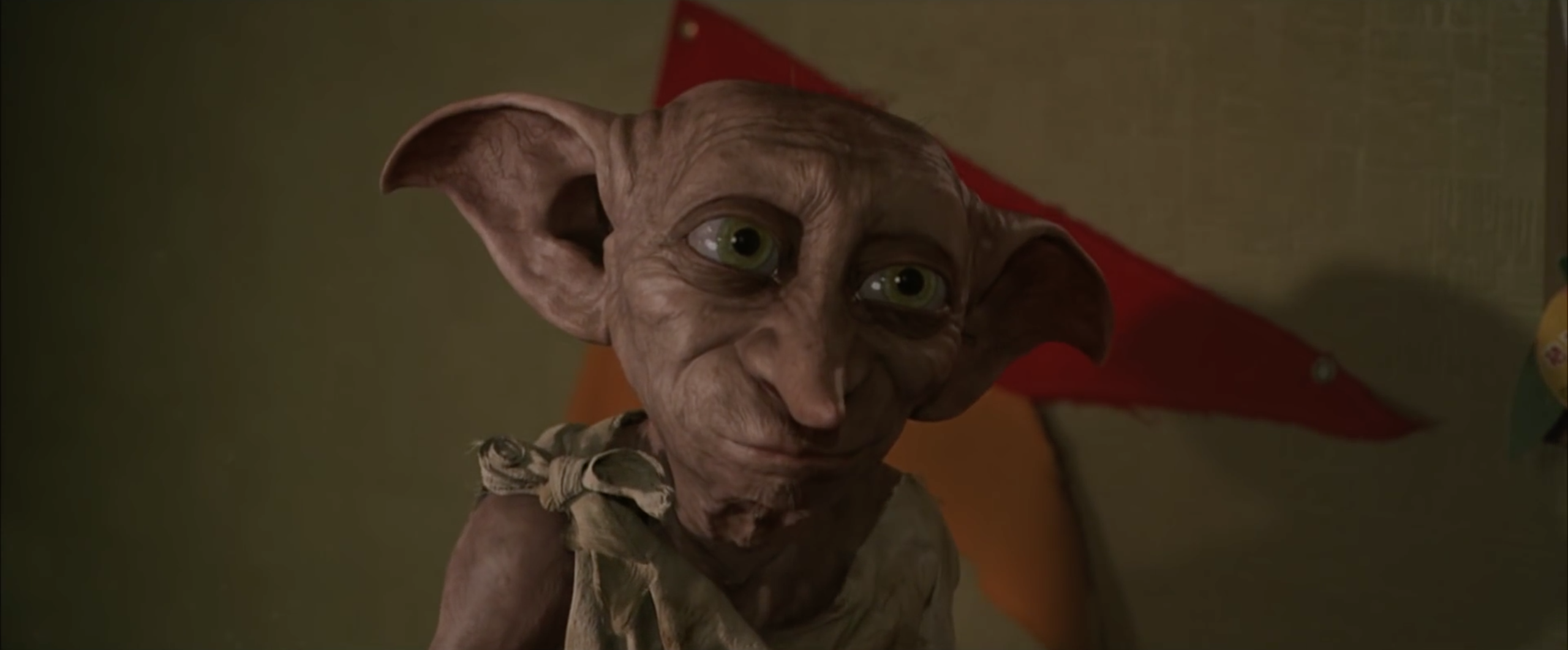
In the end of the first book of this series, Harry’s friends told him that they would be sending him letters but he didn’t receive any during the whole summer, which made him feel more alone than he had ever felt before. However, in a very important day for Harry’s uncle, he was visited by Dobby, a house-elf who told him not to go to Hogwarts because terrible things would be happening in there. Moreover, Harry found out that he was the responsible for him not getting any letter from his friends.


Harry told Dobby that he had to go back to Hogwarts no matter what, so Dobby ruined the meeting of Harry’s uncle, which made Harry get imprisoned in his room. Fortunately for him, the Weasleys were worried about him, because he hadn’t replied to any letter, so they went to get him in their flying car and took him into their house.

Harry stayed in Weasleys’ house until the start of the school. In the day of going to school, Harry and Ron were the last ones to cross the barrier to catch the train but they weren’t able to do so, which led them to fly to Hogwarts in Mr. Weasley’s car. When they were arriving, they lost the control of the car and they crashed into the Whomping Willow, which attacked them, breaking Ron’s wand. For that reason and for being seen by Muggles flying the car, they almost got expelled.

Harry’s punishment was to help Gilderoy Lockhart, his new Defense Against the Dark Arts’ teacher, to answer his fan mail. While he was in his detention, Harry swore he had heard a voice, while Lockhart hadn’t heard anything. Some days later, Harry heard the same voice again, but this time he was with Ron and Hermione, but they hadn’t also heard anything. In spite of that, Harry followed the voice until they found Mrs. Norris, Mr. Filch’s cat, petrified and a message on a wall.


After the attack, everyone was scared but nothing happened until the day that Harry’s arm was broken by a bludger, that he knew, later, that had been enchanted by Dobby to make him go home. Dobby also confessed that he was the responsible for not letting Harry and Ron get through the barrier to catch the train. In that night, Colin Creevey, a first-year Gryffindor and Muggle-born was attacked.

Due to the attack, Lockhart organized a duel club for the students to defend against the attacker. In there, everyone found out that Harry could talk with snakes, which led everyone to think that he was the attacker, the Heir of Slytherin, and the one who was able to control the monster inside the Chamber of Secrets.

Harry and his friends were convinced that the Heir of Slytherin was Malfoy, so they made a potion that would transform themselves into members of the Slytherin to confirm their suspicions. In the day the potion was finished, they discovered not only that Malfoy wasn’t the Heir of Slytherin but they also found out that the Chamber had been opened before.

After some time, Harry found Tom Riddle’s diary in the bathroom haunted by Moaning Myrtle, which was the place where they prepared the potion. It was completely blank but Harry felt it was hiding something and one day he tried to write something in there and it answered back. After some “talking” with the diary, it showed Harry that Hagrid was expelled because it was believed that he was the responsible for the death of the girl back when the Chamber had been opened.

Harry told this to his friends but they didn’t want to ask Hagrid about it, but Harry and Ron were forced to do it because Hermione was petrified. However, they weren’t able to ask him because he was taken into Azkaban, having only time to tell the boys to follow the spiders. They did it and went to the nest of Aragog, Hagrid’s huge spider that he had raised and that was believed to be the monster of the Chamber, but Aragog told them that he was given to Hagrid by a stranger and that the monster was the thing that the spiders feared the most.

They had troubles to run from Aragog’s nest but they did it. Some days later, they went to visit Hermione and they found in her hand a paper that made it clear that the monster was a basilisk, a giant snake that could live for many years and that was the thing the spiders feared the most. Moreover, Harry understood why Hermione had wrote “Pipes” in that page: that was the way how it moved through the castle without being seen.

In that same day, Ginny, Ron’s sister, was taken into the Chamber and the boys went to get her with Lockhart, who was trying to run away and who lost his memory due to Ron’s defective wand. In the Chamber, Harry killed the basilisk with the help of Fawkes, Dumbledore’s phoenix, and saved Ginny by destroying Tom Riddle’s diary. In the end, Harry found out that Dobby belonged to the Malfoys but he was able to free him from his slavery condition.


Highlights
In my opinion, the main highlight of this book is the ability of the author to create an amazing story around some details given throughout the book and that altogether make sense and explain everything that happened since the very beginning.

Recommendation
The highlight pointed above is the main reason why I think this book should be read. However, being this part of an amazing series, I have to say that the reading of this book is necessary to understand the whole plot of the series. I must also add that this book as a standalone isn’t that great as it is along the other books of the series.

Click here to read the Book Review of Harry Potter and the Sorcerer's Stone.

domingo, 17 de dezembro de 2017

Além dos Livros #4 - O Estado, os Subornos e Nós


“ “(…) Paguei ao meu conhecido para me dar acesso ao ministro e paguei ao ministro para me conceder o exclusivo e assinar o contrato.”
“Ou seja, precisou de olear o processo com bakshish…”
Ohannes abriu os braços, como quem expõe uma evidência.
“Meu caro, ninguém enriquece no Império Otomano sem pôr dinheiro nas mãos dos decisores e da clique que os rodeia (…)” ”

Esta passagem textual encontra-se no livro O Homem de Constantinopla, escrito por José Rodrigues dos Santos, e decidi escrever um pouco sobre ela por ser um ponto negativo que existe na maioria das nações do nosso mundo e que, com o seu fim, promover-se-ia a igualdade entre todas as pessoas, sendo necessário o mérito próprio para que alguém se conseguisse destacar.

Nesta passagem, Calouste Gulbenkian falava com o pai da sua mulher, estando este último a contar-lhe como tinha conseguido obter a sua riqueza. Ohannes, através de bakshish (subornos), tinha obtido acesso aos homens com os mais altos cargos no Império Otomano para negociar com eles e, recorrendo novamente aos subornos, assinou com eles um contrato exclusivo que em tudo o beneficiava, o inverso do que aconteceria com o Império Otomano.

Calouste Gulbenkian vivera durante a segunda metade do século XIX e a primeira do século XX, sendo que este diálogo poderia ter realmente ocorrido, tendo em conta que estamos perante uma obra de ficção, nessa altura. Podemos ver, então, que muitos dos homens ricos que existiam no Império Otomano conseguiram obter as suas fortunas através da corrupção, beneficiando eles com esses contratos, enquanto que, em simultâneo, prejudicavam o Império Otomano.

Porém, apesar de esta conversa poder ter tido lugar há mais de 100 anos, esta poderia passar-se nos dias de hoje. Indo além da componente temporal, esta conversa poderia ocorrer na Turquia, mas poderia igualmente ser tida em inúmeros outros países, entre os quais poderia estar Portugal!

O nosso País, apesar de estar inserido na União Europeia e de, atualmente, se encontrar 30 posições acima da Turquia no que diz respeito ao Índice de Desenvolvimento Humano, é fustigado por negociatas que, em variadíssimas situações, sai lesado em favor da outra parte dos contratos. Portugal, que é um País que está na moda e que atrai numerosos turistas, tem vindo a ser destruído, nomeadamente no que toca ao seu património ambiental e paisagístico.

Além disso, não são só as nossas paisagens e as nossas mais-valias ambientais que saem prejudicadas, também nós, os contribuintes, somos lesados, pois o Estado somos NÓS. Se não existissem pessoas, não existiria Estado e sempre que este sai lesado num negócio, NÓS somos, consequentemente, lesados também. Por esse motivo, TODOS temos de nos tornar cidadãos politicamente conscientes e capazes de entender todas as consequências em que Portugal, enquanto Estado, quer a nível local ou central, se envolve, pois NÓS, cidadãos e contribuintes, somos parte interessada e, se procuramos sempre o melhor possível para nós, porque não o fazemos nestes casos?

Para finalizar o texto, faço um apelo a todos para que pensem que todos fazemos parte do Estado e que, sempre que este, quer a nível nacional ou local, se envolva em algum acordo, negócio, etc., também se lembrem que fazem parte da decisão. Um país com cidadãos mais conscientes e mais informados é um país mais forte.


Clique aqui para ler a Crítica Literária à obra O Homem de Constantinopla.

domingo, 10 de dezembro de 2017

Book Review #15 - Harry Potter and the Sorcerer's Stone, by J. K. Rowling


Reason of choice
This series is one of my favorites of all time, both the movie adaptations and the books themselves. However, I have only read the Portuguese books back then. Now that I’ve developed my English skills, I wanted to read the original books.

Reaction to the first pages
Since I knew this series almost by heart, I was delighted to remember some details I have forgotten as the time went by and that are only present in the books. For this reason and due to liking so much this series, I have always wanted to keep reading the book.

Summary
The book begins when Harry is delivered to the Dursley’s, which raised him with their son, Dudley, who bullied Harry during all the time they lived together. One day, when Harry was getting the mail, he saw he had a letter for himself but he wasn’t fast enough to read it and their uncle confiscated it from him. More letters exactly alike that one arrived in the following days but he never managed to read one.

Due to this fact, the Dursleys and Harry left their house and went to the middle of nowhere to run away from the letters but Hagrid, the gamekeeper of Hogwarts, the school of witches and wizards, went to meet them and delivered one letter to Harry.

After that, they went to London, to Diagon Alley, where Harry bought everything he needed for his first year at Hogwarts. However, before buying anything, Hagrid and Harry went to Gringotts, the wizard’s bank, where Harry took some of the money their parents had left for him, while Hagrid took something from another vault.

After some time, Harry went to King’s Cross Station, where he met Ron Weasley and his family, who helped him to get aboard the Hogwarts Express, in the Platform 9 and 3/4. When the first-year students arrived at Hogwarts, they were placed in the four different Houses: Gryffindor, Ravenclaw, Hufflepuff and Slytherin. Harry, Ron and Hermione, who the boys met in the train were all placed in Gryffindor, while Malfoy, Crabbe and Goyle, some guys they have also met in the train but that they didn’t like, were placed in Slytherin.

Then, we are introduced to the several classes they would be having and to their teachers, being the most relevant ones Potions, taught by Snape, who hated Harry, and Transfiguration, taught by Professor McGonagall. Moreover, Harry showed incredible skills in Quidditch, being recruited as the seeker for Gryffindor, which was against the rules, since the first-year students weren’t allowed to have their own brooms.


One night, Malfoy invited Harry and Ron for a duel, which they accepted, and Hermione tried to stop them but she wasn’t able to do so. Although she didn’t want to go with them, she was forced to go since she couldn’t get back to the Gryffindor common room. However, Malfoy didn’t appear. Therefore, they understood that he tried to frame them. Fortunately for them, they weren’t seen, but, in their way back, they went straight to the 3rd floor, which was forbidden. In there they found a three-headed dog, which was guarding something but they didn’t know what was it.

Then, in Halloween, there was a troll that entered in Hogwarts and that almost killed Hermione, who was saved by Ron and Harry. To free the boys from the trouble they would be getting for running away from the other classmates, Hermione lied for them, being that the beginning of their friendship.

In Christmas, Harry and Ron would be staying at Hogwarts, trying to find who Nicholas Flamel was, since Hagrid told them that only Dumbledore and that man knew what was being guarded by Fluffy, the three-headed dog. Harry received an invisibility cloak as a Christmas gift and he used it to sneak into the restricted section of the library to search for Flamel but he wasn’t successful. In his way back, he found a room with a mirror which showed Harry and his parents. Harry was fascinated by it, which led him to decide to show it to Ron, who wasn’t able to see what Harry said he had seen. After some visits, Dumbledore caught Harry in that room and explained him that the mirror would show one's biggest desire and he also told Harry not to look again for the mirror.

After some time, Harry, Ron and Hermione found out who Flamel was and they also discovered that Fluffy was guarding the Philosopher’s Stone. Besides, Hagrid told them how to pass through Fluffy and that he had a dragon egg about to hatch. Unfortunately, he couldn’t keep it for himself, so Harry and Hermione helped Hagrid to deliver it to one of Ron’s brothers, who were working and studying dragons. However, they were caught by Professor McGonagall because Malfoy warned her that they would do it in that night, but they were caught only after delivering the dragon.


Because of that, they were sent with Hagrid to the Dark Forest, where they chased something that was killing unicorns but they weren’t able to identify it. Then, one day that Dumbledore had went to London, they thought Snape would try to steal the Stone, therefore they tricked Fluffy and they were able to go through all the challenges made by the teachers until they found out that the thief wasn’t Snape, but Professor Quirrel, who was sharing his own body with Voldemort, the man who killed Harry’s parents and that made him his scar. Harry was able to get the Stone for himself and he was able to stop Quirrel and Voldemort, being this the end of the book.

Highlights
It is a little hard to highlight something but I think the author’s ability to make almost every little detail count to the development of the story should be the greatest highlight of the book because, throughout the whole book, we get some clues about what would be happening and they are always pointed out whenever we need to remember them.

Recommendation
Obviously, since this is one of my favorite series, I must recommend it because it’s very nice to remember the Harry Potter story and because we should know how great J. K. Rowling is as a writer.

domingo, 3 de dezembro de 2017

Crítica Literária #30 - A história não acaba assim, de Miguel Sousa Tavares

Razão da escolha
Apesar de já ter lido mais duas obras do autor: Rio das Flores e Equador, sobre as quais já escrevi e deixarei o link para cada uma delas no final, eu conhecia Miguel Sousa Tavares também como um comentador político e, por querer conhecer essa faceta do autor, decidi ler este livro.

Reação às primeiras páginas
Desde as primeiras crónicas que o raciocínio crítico do autor me cativou e me fez tomar a decisão de ler o livro até ao fim, pois, embora não concorde com todos os seus pontos de vista, admiro a sua coragem em escrever sobre determinados temas, tendo em conta o número de leitores que ele pode atingir.

Resumo
Sendo esta obra uma coletânea de escritos políticos redigidos pelo autor entre os anos de 2005 e 2012, o livro não tem nenhum enredo além da ordem cronológica. Portanto, no que toca a resumir este livro, há que dizer que o autor fala de diversos temas relevantes para a vida política e social de Portugal, nomeadamente a educação; a saúde; a banca, algumas obras públicas, como o Alqueva, o projeto do TGV; a privatização da TAP; a destruição de parte do património natural e ambiental Português, entre muitos outros.

Aspetos a destacar
Tal como já referi acima, admiro a coragem que o autor tem para escrever sobre certos temas, que são bastante sensíveis e que envolvem interesses capazes de corromper muitos, mas aos quais ele, aparentemente, parece resistir.

Além disso, também admiro o seu raciocínio crítico perante inúmeras situações, uma vez que consegue analisar as situações sem olhar apenas para o passado imediato nem para o presente, mas com uma visão de longo prazo, que, em muitos casos, é o que falta em muitas das decisões que envolvem o futuro e o desenvolvimento do nosso País.

Recomendação
Para quem quer ler um livro onde se encontram bons argumentos e exemplos bastante claros sobre a política nacional, esta é uma obra a não perder. Goste-se ou não dos seus pontos de vistas, concorde-se ou não, é uma boa forma de tomar conhecimento sobre certos acontecimentos e sobre certas situações, sendo que o melhor a fazer para podermos formar a nossa opinião sobre algo que não conhecemos bem é ir investigar sobre isso para que os nossos argumentos sejam fortes e dificilmente desmontáveis.

  • Para ir para a Crítica Literária à obra Equador clique aqui.
  • Para ir para a Crítica Literária à obra Rio das Flores, clique aqui. 

domingo, 26 de novembro de 2017

Book Review #14 - Black List, by Brad Thor

Reason of the choice
The first thing I read by Brad Thor was the Portuguese translation of Foreign Influence and I really liked it because it was full of action, suspense, violence and I liked it so much that I was eager to know how the story would end. Therefore, the author was the main reason why I have picked this book.

Reaction to the first pages
The first pages were very messy and I was confused but, as the book kept going, I started to connect the dots and, from that moment onwards, all I wanted was to read more and more.

Summary
The book started with the suicide of Caroline Romero, which was very odd, followed by an attempt of murder to Scot Harvath, a former SEAL and the main character, and to Reed Carlton, Harvath’s boss, but both men survived.

Harvath killed the men that tried to murder him and ran away from Paris to Spain, where he met a priest, Peio, who was a friend Harvath had met in the past. In the meantime, Carlton was able to run away from his house which was set on fire and he went for his old mentor to ask for help. Moreover, Nicholas, a dwarf, specialist with computers and Harvath’s friend, was asked for help by the sister of Caroline and she gave him a pen, which was sent to her by her sister before she had died.

In Spain, Harvath was attacked again but he managed to kill the new team which was sent after him and, after establishing contact with Nicholas, he went to Texas to meet the dwarf. In Texas, Nicholas told Harvath that the people who tried to kill Caroline and who were trying to kill them all were ATS, an American company specialized in surveillance technologies. They were attacked once more while they were in Texas but, again, Harvath killed them.

After the new attempt of murder, they left the house in which they were and they went after colonel Bremmer, who was signing the killing orders. They were able to get him and they “tortured” him to give them more information about the people who were after them and he did so. While that was happening, Carlton and his mentor ambushed the head of the personal security team of the CEO of ATS and, after torturing him, he told the two men where his boss would be and how his security team would be disposed.

After getting the information they needed, Harvath and the remaining people who were with him went after Schroeder, the man who had investigated all the people who were now dead, and they were able to track him down very easily and to get information from him. He didn’t give much useful information to get his boss but he told them what they were up to and why they have killed so much people.

In the end, Harvath and his boss captured the CEO of ATS and killed the remaining border of directors of ATS.

Highlights
As it happened in Foreign Influence, this book was full of action and suspense since its beginning and it is something that I really like but the thing that I really liked the most was how Brad Thor exposed such an actual delicate theme: he presented a story with the main goal to show us how the Internet and everything else connected to it could be used to surveil us and to kill us if necessary in the name of security.

It’s true that all of us won’t be targets to be killed but we must make sure that the Internet and the people who are able to use it in their favor don’t use it to wash our minds in the name of security. Yes, we must pay attention to all the dangers that are around us but we can’t trade all of our freedom in exchange for security.

Recommendation
This was an amazing thriller and I definitely recommend this book to everyone who doesn’t know Brad Thor, to everyone who like a thriller full of action and suspense and to everyone concerned with the theme of “Security vs Freedom”.

domingo, 19 de novembro de 2017

Além dos Livros #3 - A corrupção e a educação

“ “Vês ali aquilo?”, perguntou um deles, apontando para o edifício escuro e proeminente no alto da colina do lado europeu, perto das velhas muralhas e torres de Rumeli Hisari.
“A escola dos giavour? O que tem?”
“É o maior insulto aos Turcos que vejo em Constantinopla!”
O segundo turco olhou com atenção para o Robert College.
“Achas? Sempre pensei que o edifício era bonito…”
“Pois é, mas o importante é o que ele significa. Há uns anos veio para cá um giavour americano e ficou tão impressionado com a nossa ignorância que, com o dinheiro do seu bolso, mandou construir aquela escola para ajudar pessoas que lhe eram completamente estranhas.” Indicou algumas grandes mansões e palacetes ao longo do Bósforo. “Nós temos centenas de paxás ricos que construíram estas belíssimas casas. Algum deles pegou numa única piastra do seu próprio bolso para contribuir para a educação do seu povo?” Abanou a cabeça. “Esta escola dos Americanos é o maior insulto que os giavour nos podiam fazer. Sabes porque nos envergonha? Porque expõe a verdadeira face dos nossos governantes!””

Esta passagem textual encontra-se no livro O Homem de Constantinopla, escrito por José Rodrigues dos Santos, e chamou-me a atenção pelo seguinte motivo: apesar de a Turquia ser um país onde muitas coisas são vedadas aos seus cidadãos, eu acredito que a conversa exposta na passagem acima possa acontecer entre alguns deles, pois recuso-me a acreditar que todos eles sejam ignorantes.

O facto de a escola americana ter sido construída através do financiamento de um americano perante a ignorância do povo turco tem de ser revoltante para os turcos, pois, dada a existência de inúmeros cidadãos ricos e de nenhum deles fazer nada para contribuir para o desenvolvimento da educação, e para o consequente avanço civilizacional, esta situação é inaceitável.

Tal como disse o indignado turco, a culpa não se restringe meramente aos cidadãos ricos, pois os governantes também têm culpa nesta situação, já que a verdade é que muitas vezes, uma parte significativa desses cidadãos só enriqueceram devido a favores consentidos pelos governantes, podendo prejudicar toda a sociedade.

Este prejuízo pode não ser imediatamente verificado, mas, eventualmente, ele aparecerá: tendo sido o favor consentido, no futuro, o estado irá ter menos dinheiro para apostar no bem-estar e no desenvolvimento da sua população, quer a nível da saúde, da justiça, entre outros pilares fundamentais. Neste caso, a visada foi a educação que se degradou, traduzindo-se na ignorância de um povo, o que, consequentemente, levou a que um americano edificasse uma escola para ajudar a combater este mal, sendo que ele nada tinha que ver com esta situação, mas, ainda assim decidiu contribuir para pôr termo à ignorância.

O diálogo da passagem acima, temporalmente, localiza-se na juventude de Calouste Gulbenkian, mas é inevitável fazer o paralelo com a atualidade. O facto de saber ler e escrever é um passo fundamental para fugir à ignorância, mas o desenvolvimento do pensamento crítico é muito mais importante do que isso e é nesse sentido que temos que continuar a ajudar os turcos, visto que a sua liberdade para pensar se encontra restringida.

Para finalizar o texto, é importante não esquecer que também nós, Portugueses, devemos ser capazes de pensar criticamente e de não nos deixarmos levar por tudo o que vemos ou lemos, pois, tal como na Turquia, em Portugal, também existe corrupção, o que leva a que também a nossa Saúde, a nossa Justiça, a nossa Educação, a nossa Economia e, sobretudo, a nossa Sociedade saia prejudicada em detrimento de uns que enriquecem incomensuravelmente e, tal como os turcos ricos, pouco ou nada contribuem para o avanço da população.

Fica também o link para a Crítica que fiz à obra O Homem de Constantinopla, bastando para isso carregar no título da mesma.

domingo, 12 de novembro de 2017

Book Review #13 - The Hunger Games - Mockingjay, by Suzanne Collins

Reason of the choice
Since I have read the previous book of this trilogy, which, from the very beginning was very nice, I felt the need to know how Suzanne Collins would finish it and it was the main reason why I have chosen to read the book.

Reaction to the first pages
Although the beginning of the previous books were amazing and super engaging, I haven’t felt that this book also had it, which disappointed me but, after finishing the book and thinking a little more about the trilogy and the way we moved through it with Katniss, I have to admit that it was a very good way to start the last book.

Summary
After being picked by the Rebels, Katniss went to District 13, which wasn’t destroyed as it was believed by the remaining 12 Districts. In there, Katniss was told that District 12 was destroyed and, due to everything she had passed, the doctors from 13 considered she had mental issues but after some time, the doctors told Katniss that she was better and she was assigned, like all the others, a schedule but usually she didn’t care and she just wandered around.

While she was considered “sick”, Katniss was asked by President Coin, the woman who was the leader of 13, to be the Mockingjay, the symbol of the revolution, since she was the one that “defied” the Capitol to win the 74th Hunger Games but she didn’t accept to play that role as she was asked but only after some time after being considered better Moreover, she only accepted it after Coin agreed with some conditions made by Katniss.

After the agreement being settled, she discovered that her preparation team was being punished, which made her feel disgusted with many people from 13 almost as much as she was with the Capitol. Despite it, she carried on and they tried to film something to use to advertise the rebel cause but it didn’t work very well because she was really bad at it. To solve that problem, Haymitch convinced everyone to let her go into the war because she was only able to inspire people if she was being herself, not saying something that was planned before.

They accepted that suggestion and she was sent to District 8, where she showed herself to the wounded in an improvised hospital, which gave them hope because some of them wasn’t sure if she was alive. After the visit, they were supposed to get back to 13 but, before reaching to the point where they had to get, the Capitol bombed the hospital. Even though Katniss was only supposed to show herself to those who were at the hospital, she decided to help the rebels, destroying some hovercrafts.

After the attack, they went back to 13, where they told Katniss that they had some footage that could be used. After making the advertisements, Beetee, a victor from District 3, was able to air them everywhere, except in the Capitol. In response to that, the Capitol aired an interview with Peeta, in which he told what the Capitol wanted him to say about the participation of Katniss in the rebellion but he also warned the people from 13 that the Capitol would attack them.

Due to the warning, all the population from 13 was able to stay alive and only one part of their fortress was destroyed, since most of their activities were done underground. After that, Katniss convinced President Coin to rescue Peeta from the Capitol but she, Katniss, had to stay in 13 or they wouldn't save him. Since she couldn't go with the rescue team, she and Finnick had to tell some stories about the Hunger Games and some other secrets which would be aired and it would even be seen in the Capitol, being this a distraction to help the rescue team.

They were able to get Peeta back but they also rescued the other two victors: Johanna, from 7, and Enobaria, from 2. As soon as Katniss knew that he had arrived, she went to meet him but he wasn't the same boy Katniss left in the arena because he tried to kill her as he saw her. For some time, she wasn't able to face Peeta and she started to behave the way she did when she was taken to 13.

When she was better, she was sent to District 2, which was the only District that hadn't joined the rebel cause. In there, Katniss convinced the rebels to only blow up and destroy every entrance but one controlled by them, so they could surrender or, if they didn't do so, they would kill them more easily. The Capitol forces chose not to surrender but they weren't slaughtered because Katniss was caught by a man who was willing to kill her. While trying to convince that man not to kill her, she spoke loud enough to be heard by everyone, she asked them why were they fighting and who the real enemy was. The man who caught her didn’t shoot her but another man did it.

Thankfully, she survived and, while she was recovering in 13, she discovered that the people from 13 was planning to invade the Capitol. Snce she wanted to kill President Snow, she wanted to join them but President Coin and some other members with high positions in the hierarchy didn't allow her, unless she was really ready to combat, which she wasn't. Luckily for her, the departure would be in a few weeks and she was able to get back in shape, meaning that she was able to go.

Therefore, she joined a group in which was also Gale and Finnick and which was led by a soldier she met when they went to 8. Johanna, who was supposed to go along with them wasn't able to do so and Peeta filled her spot, but, when he arrived, they handcuffed him and they set some turns to guard him at night, so he couldn't kill Katniss. When they were trying to get to President Snow's mansion, since they knew where some of the pods were, they advanced without much trouble, until they activated one they weren't aware of, that killed some members of the team.

After, they saw on the television that the Capitol was going to get their bodies, since they believed that the whole team died, and, to gain time, they decided to let Peeta go alone. While they were advancing, they faced many other dangers and most of the group died, being Katniss and Gale the only ones left, but, when they activated another pod, they were split. When Katniss was almost reaching the mansion, she saw that the only people which were being rescued to stay in there were children and they were bombed by a hovercraft, which only killed some of them but the second wave killed much more, being Primrose, Katniss’ sister, one of the dead people because she was a rebel doctor and went to help the wounded from the first explosion.

When Katniss woke up from the explosion, she was in the mansion and she was told that Snow would be judged soon. Although she wasn't supposed to enter the room where he was, she entered and they talked. He told Katniss that he wasn't the responsible for the death of the children she witnessed. In the beginning, she didn't believe it but, later, she saw that he was telling the truth because she had already seen something like it, in 13, being Beetee and Gale the inventors of such weapon.

In the day of Snow's trial, she was supposed to kill Snow but, instead, she killed President Coin. Despite it, Snow also died because, as Finnick had told before, he was slowly dying because he drank poison he used to kill some of his "friends" and rivals, and the antidote didn’t cure him properly.

In the end, Katniss was absolved in her trial, being stated as a mentally sick person and she was sent back to 12, where, after some months, arrived Peeta, not Gale, who stayed in 2, and the two victors of the 74th Hunger Games lived as happy as possible together.

Highlights
Although not liking this book as much as I liked the previous ones, this was still pretty good and it was definitely a good way to end this trilogy due to the final plot-twist. Despite presenting the love triangle as one way to follow the story, the “hidden” message was really the thing that made me want to read this book until the end.

Moreover, the evolution of the many characters was cleverly made and we can see it clearly: the torture, either directly, either indirectly, applied to the many victors transformed them, being this very notorious in Katniss, Peeta, Haymitch, Johanna, Finnick and many others.

Looking again to the message behind the story, the author, with this book, wanted us to see that fighting for the rebels against the dictatorship doesn’t necessarily make the situation better than it was before. Throughout the book, it can be seen but two of the best examples of that situation is when President Coin sends Peeta to Katniss’s team, because he was “programmed” to kill her and Coin wanted her dead, since she wasn’t really in favor of her; and the other situation is when Coin orders the attack against the children near President Snow’s mansion, with the objective to discredit President Snow so she would be able to get the power he had.

Recommendation
As I said above, this was my least favorite book of the trilogy but it was still very good and a good way to end the series. For those who like a love story or the ones who like a good political metaphor, this is a great book, along with the previous two.

domingo, 5 de novembro de 2017

Além dos Livros #2 - Os Ursos de Somiedo, Espanha

Numa edição de há alguns anos da National Geographic, encontrei um excerto que me chamou a atenção, pois mostra-nos que os nossos vizinhos espanhóis foram capazes de valorizar uma dada área, Somiedo, usando, para isso, um recurso natural, os ursos, mas, ao invés de os matarem, usaram-nos como bandeira para que conseguissem classificar um espaço como Parque Natural e, com isso, conseguiram valorizar Somiedo.

Olhando com mais atenção para os pormenores, segundo a revista: em 2005, os prejuízos causados pelos animais em Somiedo foram avaliados em 300.000 euros, sendo estes distribuídos da seguinte forma: 55% (165.000 euros) foram causados por javalis; 20% (60.000 euros) por lobos e outros tantos por veados; e apenas 5% (15.000 euros) pelos ursos. Tendo em conta estes dados, o argumento apresentado por homens que estavam contra a criação do Parque Natural de Somiedo cai imediatamente por terra, visto que os prejuízos causados pelos ursos são 11 vezes inferiores aos causados pelos javalis e 4 vezes inferiores aos causados pelos lobos e pelos veados.

Também na revista, afirma-se que, antes da criação do Parque Natural, o concelho de Somiedo era o 77º município das Astúrias, em termos de Rendimento per Capita, em 78 possíveis. 18 anos depois, em 2005, devido à conservação e à boa gestão do Parque, Somiedo conseguiu subir até à quadragésima posição, não esquecendo que 40% do território são de uso restrito. Pode-se, então, concluir que os ursos, além de serem apenas uma pequena fonte de prejuízos, quando comparados com outros animais, como foi acima exemplificado, são ainda uma fonte de atração de riqueza, como se pode ver pela subida de posição do município de Somiedo, nos termos apresentados.

Extrapolando esta situação para terras lusitanas, esta situação deveria ser alvo de reflexão, pois, se os nossos vizinhos espanhóis conseguiram valorizar um território com um Parque Natural, que motivo temos nós para não conseguirmos fazer o mesmo que eles? São humanos, como nós; fazem parte da União Europeia, como nós, apesar de nós recebermos mais fundos que eles… Nesse caso, recebendo nós mais fundos europeus, não seremos capazes de os utilizar da forma “correta” e de os aplicarmos para desenvolvermos o País?

Eles utilizaram o urso como bandeira para a classificação de Parque Natural, mas nós não temos que os imitar! Basta seguirmos o exemplo por eles dado e usar uma espécie endémica portuguesa, da fauna ou da flora, para, como eles, conseguirmos ajudar uma determinada zona a desenvolver-se utilizando um elemento natural.

Porém, eu compreendo a dificuldade que os portugueses têm para fazer isto: o número de atentados à nossa paisagem e aos nossos recursos naturais são já incontáveis e os incentivos para seguirmos este caminho são muito menores, mas tem de haver vontade de se mudar! Temos de deixar para trás o establishment e seguir o nosso próprio caminho, caso contrário estaremos a condenar as gerações vindouras, que tanto podem vir a ser apenas os nossos bisnetos, como podem vir a ser já os nossos filhos.

Em jeito de conclusão, deixemos para trás a ganância que vemos por toda a parte, deixemos para trás os negócios com lucros astronómicos que se fazem atentando contra a natureza, contra a fauna, contra a flora, mas, principalmente, contra os bolsos de todos os contribuintes e sigamos o exemplo dos nossos vizinhos espanhóis: vamos mudar o nosso comportamento e a nossa mentalidade para valorizar o nosso território, as nossas espécies endémicas e as nossas paisagens.

domingo, 29 de outubro de 2017

Book Review #12 - The Hunger Games - Catching Fire, by Suzanne Collins

Reason of the choice
Not taking into account the fact that I have already seen the movie adaption of this book and the fact that I really liked it, I loved the first book of this trilogy and it made me see this series in a completely different way. Therefore, I felt I had to read this book and that I needed to know how the series would keep going.

Reaction to the first pages
Since I was used to Suzanne Collins’s writing style, I wasn’t caught by surprise with the beginning of this book but she managed to make me want to keep reading the book since the very beginning, because, despite knowing the story, the way she tells it can give us a bigger insight.

Summary
After winning the Hunger Games, along with Peeta, they return to District 12, where they stay for a while before departing to the Victor’s Tour, throughout all the Districts and the Capitol. However, before leaving, Katniss is visited by President Snow, who tells her that she must convince everyone that her last decision in the Games was made due to love and not to defy the Capitol, or her family would suffer or even be killed, like Seneca Crane, the Head Gamemaker, who was murdered after letting Katniss and Peeta live.

During the Tour, Katniss did the best she could to do what the President asked but it wasn’t enough to convince him. After, they returned to District 12 and Katniss saw Gale being whipped because he went to the house of the Head Peacekeeper with some game he had hunt to sell him, which was illegal but the previous Head Peacekeeper allowed them to do it, but he didn’t know that the Head Peacekeeper had been changed. As soon as she saw it, she put herself between the Head Peacekeeper and Gale and the whipping only stopped when Haymitch and Peeta appeared too.

Then, it was announced the rules for the next edition of the Hunger Games, which were special, since it would be the 75th anniversary of the Hunger Games. The tributes would be chosen from the poll of the living victors, which meant that Katniss had to go again into the arena, since she was the only living female victor of District 12. Until the Reaping Day, the three victors from 12 prepared themselves for the Games to be able to face whoever they had to. In the Reaping Day, it was no surprise that Katniss was picked but Peeta volunteered to go to the Games as well, not to save Haymitch but to protect Katniss.

After that, they went to the Training Center in the Capitol, where they met most of the other tributes. Haymitch, who knew most of them, told Katniss and Peeta that many of them, like Beetee and Wiress, from District 3; Finnick Odair and Maggs, from 4; or Johanna Mason, from 7, wanted to be their allies.

In the interview that they had to give, Cinna, Katniss’s stylist, made a change in her wedding dress, since she and Peeta were fiancés by imposition of President Snow, which she showed everyone: when she spun, the fabric turned to Mockingjay’s feathers. Before going to the arena, Cinna was spanked in front of Katniss by his act of defiance against the Capitol, as she was unable to do anything to protect him.

Then, they went to the arena, where, soon, Katniss made an alliance with Finnick and Maggs. After some time and some people have died, Katniss’s group found Johanna, Beetee and Wiress, who helped Katniss to understand that the arena was like a clock, meaning that, depending on which time it was, there was a different way to hurt/kill the tributes. When there were just a few tributes left, Beetee made a plan to use the electricity from a thunderbolt to electrify the water to try to kill the tributes from District 2.

The plan didn’t go as it was supposed to and Katniss, who was in charge of taking a wire into the lake, returned to the tree where they were expecting the bolt to fall. In there, there was only Beetee in bad shape and it was hard for her to understand what he wanted to do but, as soon as she understood, she shot an arrow, with part of the wire knotted in it, against the force field, which was destroyed as soon as the thunderbolt hit the tree.

The book ends when a hovercraft picks Katniss, Finnick and Beetee but leaving behind Peeta, Johanna and Enobaria, from 2. With that new act of defiance against the Capitol, Katniss triggered the revolution in all Panem’s Districts and, only a few days after being picked, she was able to understand that she was going to District 13, where the rebels were gathered and that Peeta wasn’t with them.

Highlights
As it was already mentioned in the review of the previous book of the trilogy, the author’s writing style is very light, which is very helpful to engage us in the story but, once again, the political criticism must be the main highlight, because Suzanne Collins keeps showing us how could be the things in a country where there is a dictator ruling and it could be seen in several parts of the book:

For example, even though Katniss had won the Games and had a higher social position, President Snow was able to turn things against her by putting her back in the Games, although the “rules” said that, once a person is a victor, he is safe from going into the Games, which, in this case, didn’t happen.

Naturally, that wasn’t the only case when the Capitol forces were set against her: Katniss was whipped by the new Head Peacekeeper. Before entering the arena, Katniss was forced to see Cinna being beaten as she couldn’t do nothing to protect him. It also happened when some birds created by the Capitol were reproducing the sounds of screams of people Katniss knew. Since those birds were designed to copy the sounds they heard, Katniss understood that those people were forced to make them, which devastated her.

However, despite all these things, Katniss and most of the other tributes fought against the Capitol the better they could, showing that the people should fight for what they believe, having that culminated in a general uprising across the Districts after she destroyed the arena’s force field.

Recommendation
Although I really appreciated the first book, I liked this one even more because it is very clear what Suzanne Collins wants us to understand. I think this is brilliant because this book is targeted for young adults, but the truth is that everyone would be able to read this book and understand it. After stating this and pointing out the previous highlights, I definitely recommend this book.

domingo, 22 de outubro de 2017

Além dos Livros #1 - Jardins Zoológicos


Como eu não consigo ler um livro por semana, mas quero continuar a criar e a postar conteúdo regularmente no blog, fui tentar encontrar uma forma de resolver este problema. Desse modo, tive a seguinte ideia: escrever acerca do mundo real, acerca de um problema, de uma certa situação ou de outra coisa qualquer que eu achasse importante. Tendo em conta que as coisas sobre as quais poderei escrever podem ser muito diferentes umas das outras, é importante, para mim, clarificar o objetivo deste projeto: o que eu pretendo não é meramente a criação de conteúdo, mas sim isso aliado ao facto de me fazer pensar a mim, e a todos os leitores, acerca das situações apresentadas. Após esta breve introdução ao projeto, vamos começar!


Ao navegar pela Internet, achei que esta proposta de escrita era bastante interessante e que daria um bom primeiro artigo: “Os Jardins Zoológicos são vistos como necessários, mas, apesar disso, são uma alternativa fraca perante o habitat natural”.

Hoje em dia, apesar das tentativas que existem para proteger os animais e os seus habitats, a verdade é que a grande maioria não passa, justamente, de tentativas e intenções. Por esse motivo, os Jardins Zoológicos são uma boa forma de proteger os animais, tendo em conta que não se conseguem proteger os habitats da mesma forma que os animais.

Não esquecendo que os interesses económicos que dominam o mundo, por norma, não têm em conta a necessidade de proteger os animais e os seus habitats, os Jardins Zoológicos são uma ótima forma de proteger os animais que se encontram em vias de extinção, visto que a probabilidade de os animais acolhidos serem atacados é muito menor do que se estivessem nos seus habitats naturais, onde, muitas vezes, os caçadores furtivos os matam, mesmo estes estando em zonas protegidas e onde a caça é proibida.

Além disso, nos Jardins Zoológicos, os animais são vistos como atrações e os gestores desses espaços têm como objetivo atrair o maior número de visitantes possíveis para que os Zoos tenham dinheiro, não só para continuarem a existir, mas também para proteger mais animais e, se possível, os seus habitats.

É verdade que os interesses económicos dominam o mundo, mas, hoje em dia, a melhor forma de os combater é com o dinheiro, pois, tal como já referi acima, os Jardins Zoológicos conseguem também angariar dinheiro por si. Apesar de ser impossível proteger todos os animais e todos os habitats apenas com esse dinheiro, esse não deixa de ser um bom começo. Contudo, o dinheiro é incapaz de fazer isso por si só, é necessário que nós, os Humanos, queiramos protegê-los, pois o dinheiro não é tudo na nossa vida. A nossa própria vontade é muito importante e muito mais valiosa do que qualquer quantia monetária, dado que o dinheiro não pode comprar tudo, mas a nossa vontade pode tornar o impossível possível.

Retomando uma ideia acima, os Zoos são um ótimo local para mostrar animais que não vivem num dado local, sendo um bom exemplo pinguins em Lisboa, podendo isso ser visto como um ponto de partida para que algumas pessoas comecem a importar-se com esses animais e a agirem de modo a protegê-los e aos locais de onde são endógenos.

Para terminar esta pequena lista de razões a favor dos Zoos, não devemos esquecer que estes são locais onde os animais, mesmo aqueles em vias de extinção, se podem reproduzir, para evitarem a sua extinção, mas também são locais onde se podem estudar alguns dos seus comportamentos.

Porém, tudo tem as suas vantagens e desvantagens e, por isso, devemos também analisar as desvantagens dos Jardins Zoológicos. Apesar de ser verdade que são espaços que providenciam segurança aos animais, esse não é o seu verdadeiro habitat e, em algumas circunstâncias, o seu comportamento é diferente por não estarem verdadeiramente em liberdade. Em alguns casos, isso provocar-lhes-á stress, sendo isso uma das razões apontadas para alguns animais não se reproduzirem nos Zoos.

Também não podemos esquecer que os Jardins Zoológicos são visitados por pessoas, que, por vezes, não obedecem às regras, podendo isso constituir perigo para os animais, no sentido em que podem causar-lhes stress ou de lhes darem alimentos que eles não deveriam comer.

Em suma, para mim, os Jardins Zoológicos são uma ótima forma de proteger os animais, tendo também potencial para protegerem os seus habitats, apesar de não serem a melhor resposta nem para as necessidades dos animais nem dos seus habitats. Apesar de tudo isso, ao colocar numa balança as razões a favor e contra os Zoos, eu penso que as vantagens são muito mais fortes que as desvantagens, e, por isso, devemos apoiar os Zoos até conseguirmos encontrar uma forma mais eficaz de proteção tanto dos animais como dos seus habitats.